
OUR SERVICES

Our legal services

Browse Arkas Law services in housing litigation, immigration, and related legal support for individuals and businesses.

Showing 4 services

Indefinite Leave to Remain

Our team is experienced at helping migrants secure Indefinite Leave to Remain (ILR) in the UK and can support you in the application process to ensure a successful result. Individuals who have held the same type of British visa for 5 years or more are eligible to apply for ILR, although in certain circumstances you may be eligible after just 3 years. Indefinite Leave to Remain enables migrants from outside of the UK to stay in the UK without restrictions and is the first step to take before applying for full British citizenship or naturalisation. Almost all other British visa routes are eligible to apply for ILR after meeting certain other requirements, including those who have been on Tier 1 Visas, Tier 2 Work Visas, and Spouse Visas. The conditions that you need to meet to qualify for ILR are as follows: You have held the same type of British visa for 5 years or more Proof that you meet the B1 levels of English You must pass the Life in the UK test No criminal record and you cannot have breached the immigration laws during your stay in the UK You cannot have spent more than 180 days outside of the UK within any year of living in the UK The requirements can vary so it’s best to speak to an Immigration Lawyer to determine if you’re eligible to apply and what you will need to include with your ILR application.

Read more


British Citizenship Naturalisation

You can apply to become a British citizen through naturalisation if you meet the relevant criteria which have been set out in the British Nationality Act 1981. This is the most common approach to become a British citizen. This application is decided and granted by the Secretary of State for the Home Office. The main requirements for naturalisation involve meeting the residence requirement, settled status requirement, good character requirements and the English language test and Life in the UK test requirements. Naturalisation after holding settlement for 12 months: You are eligible to apply to naturalise as a British citizen under Section 6(1) of the British Nationality Act 1981, provided you meet the following requirements: You are aged 18 or over You are of good character i.e., do not have a serious or recent criminal record, or any adverse immigration history You are of sound mind You intend to make the UK your permanent home You have passed a Life in the UK test You have met the knowledge of English language test requirements You have met the residence requirements In addition, the following residence requirement must usually apply: You have lived in the UK for at least 5 years prior to your application You have not spent more than 450 days outside the UK in those 5 years You have not spent more than 90 days outside the UK in the last 12 months You had Settlement (also known as indefinite leave to remain/ILR) for the last 12 months; if you are not an EEA citizen You had Settled Status under the EU Settlement Scheme (also known as indefinite leave to remain) for the last 12 months; if you are an EEA citizen or eligible to apply to the scheme. Naturalisation as the spouse of a British citizen A person who is married to a British citizen will be eligible to naturalise as a British citizen under Section 6(2) of the British Nationality Act 1981. If you are married to a British citizen, you will be subject to all of the above requirements however the only difference is: You do not have to wait 12 months from obtaining ILR to apply for naturalisation. You are only subject to 3 years residence requirement i.e. should not have spent more then 270 days outside the UK in the last 3 years. All other requirements apply. When sending your application, a biometrics appointment will be mandatory to attend. After applying, a decision will usually be made in 6 months, depending on the application some may take longer. Once you have received your certificate of British Citizenship, you must send your biometrics residence permit back to the Home Office. The UK allows dual nationality for its citizens however, some countries may not. In which case they can revoke your citizenship once you have become British therefore, it is imperative for you to contact your embassy before you decide to apply for naturalisation.

Read more

Skilled Worker Visa

Skilled Worker Visa The Skilled Worker Visa enables qualified overseas professionals to live and work in the UK for an approved employer. Whether you have received a job offer from a UK business or an employer is looking to sponsor international talent, obtaining the correct visa is an essential step towards working and building your future in the UK. Our experienced immigration lawyers provide practical, tailored advice throughout the application process. We work closely with both individuals and employers to ensure applications are accurate, fully documented, and submitted in accordance with the latest UK immigration requirements. Who Can Apply? You may be eligible for a Skilled Worker Visa if you: Have a genuine job offer from a UK employer licensed to sponsor overseas workers. Have been assigned a valid Certificate of Sponsorship (CoS). Meet the required salary threshold or qualify under an eligible salary exception. Are applying for a role that meets the relevant skill level. Can demonstrate the required level of English language proficiency, where applicable. Our Skilled Worker Visa Services We provide comprehensive legal support at every stage of your application, including: Assessing your eligibility before applying. Reviewing your employment offer and sponsorship documents. Preparing and submitting Skilled Worker Visa applications. Advising on dependent partner and children's visa applications. Supporting visa extensions and changes of employment. Assisting with settlement (Indefinite Leave to Remain) applications when eligible. Providing guidance to employers on sponsorship compliance and immigration requirements. Supporting Employers We also advise UK businesses that employ overseas workers. Our team can assist employers with sponsor licence applications, compliance obligations, assigning Certificates of Sponsorship, and maintaining ongoing compliance with UK immigration rules. Why Choose Our Immigration Lawyers? UK immigration rules are subject to frequent changes, and even minor errors can lead to delays or refusals. Our legal team provides clear, practical advice tailored to your individual circumstances, ensuring your application is prepared with care and attention to detail. From your initial consultation through to your visa decision, we are committed to making the process as straightforward and stress-free as possible. Speak to Our Team If you are planning to work in the UK or require advice regarding a Skilled Worker Visa, contact our immigration lawyers today. We will assess your circumstances, explain your options, and provide expert legal guidance to help you achieve a successful outcome.

Read more

Structural Defects

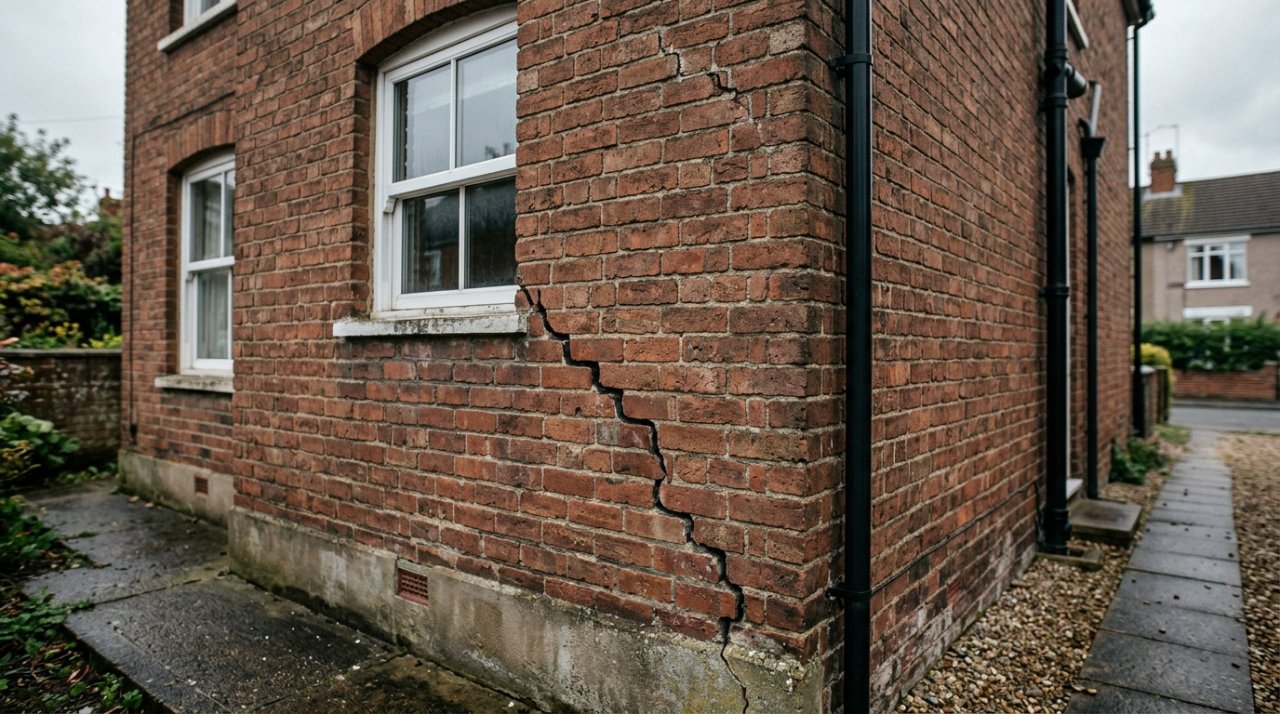
There are other issues that constitute housing disrepair for which your landlord would be liable for, and these include structural defects. These are a number of issues that are indicative of structural defects. Subsidence Subsidence in summary is the downward sinking movement of the foundation of a property that arises as a result of the loss of support of the ground beneath the foundations. Subsidence causes cracking and subsequently, property damage. Some of the common signs of subsidence: Vertical and diagonal cracking Large cracks running through the damp proof course (DPC) into the property foundations. External cracking which corresponds with the same area of wall internally Cracks appearing after long durations of dry weather. Seasonal opening and closing of cracks Large structural cracks These can appear in a number of different locations within a property and for a number of reasons, the extent of the seriousness of such cracks can often be determined by the length, depth and width of the crack. These frequently require further investigation to determine the cause for which your Landlord would be responsible for carrying out. Rotten/defective flooring This can come about due to structural defects to the sub-flooring, as a result of damp with consequential deterioration to the woodwork beneath, and other related issues. Damaged roof tiling that allows water to leak into the property Your Landlord should generally be responsible for the maintenance and repair of the roof, however, as time progresses, roofs can suffer from a loss of tiles, defective flashings and deterioration in water proofing that can result in water leaks and consequential damp within the property. Rotten/defective window frames and doors This is a common problem that affects many rental properties for reasons including, rainwater and moisture causing deterioration to the window frames, defective sealant around the frame that allows rainwater to penetrate into the property, along with draught (that can make a property bitterly cold) and defective window gaskets that diminish the functionality of a window unit. Holes in the plaster/wall/floor Properties that are not regularly inspected and maintained can often result in defects to the structure that manifest themselves as gaps and holes within plasterwork, timber, flooring and around radiator pipes that can frequently permit vermin to gain access into the property and create an infestation that is prejudicial to health if the issues are not addressed adequately and in a timely manner.

Read more